Cyber Security Governance, Risk and, Compliance

GRC Tool illustration

Organizations use GRC tools because managing governance, risk, and compliance manually has become unrealistic. As businesses grow, so do their regulatory requirements, third-party dependencies, internal controls, and audit demands.    A GRC tool consolidates everything into a centralized system, reduces repetitive manual work, and provides leadership with real-time visibility into risks and compliance status.   But how to implement one successfully in your organization?   Let’s explore in this article below.   Why...

Read More
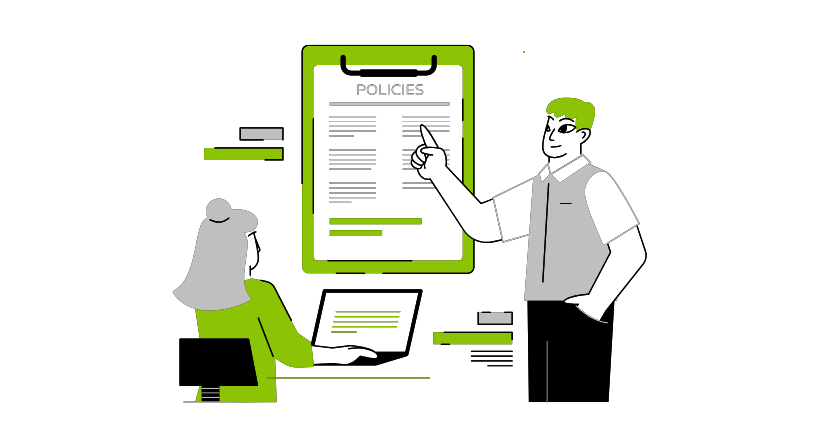
Policy documentation

Every company that works with security, compliance, or governance depends on policies. Policies guide employees, set expectations, and show auditors that the company follows proper rules. But policy management becomes a major challenge when teams try to handle everything manually. Drafting, updating, reviewing, sharing, approving, and tracking policies across spreadsheets, folders, and emails becomes messy as the organization grows.   A strong GRC program cannot rely on...

Read More
Risk Assessment Methodology

Every company with a security, compliance, or governance function knows one major problem. Manual risk assessments take too much time and slow everything down. Teams spend hours searching through old spreadsheets, updating scores, reviewing long lists of risks, and trying to connect them to controls, assets, and mitigation plans. As companies grow, release new features, and expand their systems, these manual processes become even harder...

Read More
Compliance Management

Organizations today face constant updates to security frameworks, growing audit expectations, and increasing pressure to manage compliance with fewer resources. That’s why many teams search for the best compliance management solutions. Not just to centralize documentation, but to automate manual evidence collection, track controls, manage risks, and stay audit-ready throughout the year.   This guide covers the top five tools companies rely on in 2025 and explains...

Read More
Types of audits

Audit planning is one of the most important stages of the audit lifecycle. A well-structured plan helps teams stay organized, allocate resources efficiently, and ensure that every audit delivers meaningful insights. Whether you’re preparing for an internal audit, a compliance audit, or a technology-focused review, having a clear and practical approach makes the entire process smoother and more reliable.   Below is a guide that explains how...

Read More
Automate Compiance Process vector illustration

Every company that works with security, compliance, or risk management understands one painful truth. Manual evidence collection slows everything down. Teams spend hours searching for screenshots, gathering logs, asking for reports, and chasing updates across email and chat. This problem gets worse when companies grow, add new tools, hire new people, and face new compliance standards.   A strong GRC program cannot depend on scattered files and...

Read More
GRC software vector illustration

FinTech companies handle large amounts of sensitive financial data. Many of them process, store, or transmit cardholder information through apps, payment systems, wallets, gateways, and digital platforms. This means they must follow PCI DSS, one of the most important global standards for protecting card data.   PCI DSS has strict rules. It requires clear controls, strong security practices, and ongoing monitoring. Many FinTechs try to handle these...

Read More
SAMA Cyber Security Framework vector illustration

Banks in Saudi Arabia face strict rules for cyber security and risk management. The Saudi Central Bank, also known as SAMA, sets strong controls that financial institutions must follow. These controls protect customer information, reduce cyber risks, and keep banking systems safe from threats.   Many banks still use manual tools to manage their compliance tasks. They depend on spreadsheets, shared folders, and email threads. This approach...

Read More
GRC Technology

Auditors deal with one of the hardest parts of any compliance project. The process of collecting evidence, checking documents, confirming controls, and staying in sync with clients can take many hours. When information sits across spreadsheets, emails, and chat messages, the work becomes slow and stressful.   This is why many audit firms now use GRC software. It helps auditors collect evidence in a clean and organized...

Read More
GRC software vector illustration

SaaS companies grow fast. New users join every day, new features are added, and data flows across many systems. This growth is exciting, but it also brings more responsibility. Customers want proof that their data is safe. Investors want to see strong security practices. Large clients want assurance before signing long contracts.   This is why many SaaS companies aim for SOC 2 Type 2. It is...

Read More