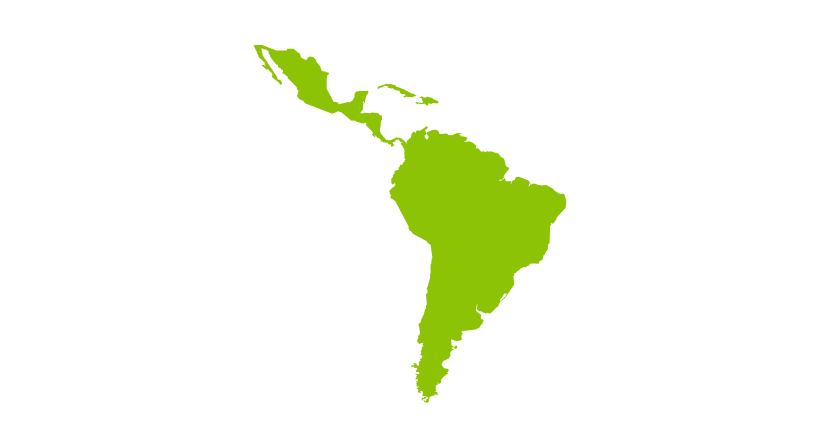
A guide to Latin America’s compliance standards: Regulations, frameworks, and enterprise strategy
Latin America is experiencing rapid digital growth across industries such as finance, ecommerce, healthcare, and technology. As organizations adopt digital platforms and expand cross-border operations, the need for strong regulatory frameworks has increased.
Governments across the region are introducing and enforcing strict compliance standards to protect data, improve transparency, and reduce risk. These standards are shaping how businesses manage operations, handle information, and build trust with customers.
For enterprises, compliance in Latin America is no longer limited to meeting legal requirements. It has become a strategic function that supports growth, resilience, and market expansion.
This guide provides a detailed overview of compliance standards in Latin America, the key regulations organizations must follow, the challenges involved, and how to build a scalable compliance strategy.
- Understanding compliance standards in Latin America
- Why compliance standards matter in Latin America
- Key compliance standards in Brazil
- Key compliance standards in Mexico
- Key compliance standards in Argentina
- Regional compliance trends in Latin America
- Challenges in managing compliance standards in Latin America
- Building a compliance strategy for Latin America
- Role of GRC platforms in Latin America compliance
- How CyberArrow GRC supports compliance in Latin America
- Why global enterprises trust CyberArrow GRC
- Conclusion
- FAQs
Understanding compliance standards in Latin America
Compliance standards in Latin America refer to laws, regulations, and frameworks that define how organizations must operate within the region.
These standards focus on several key areas:
- Data protection and privacy.
- Financial transparency and reporting.
- Cyber security and risk management.
- Anti-corruption and corporate governance.
Unlike regions with unified regulations, Latin America consists of multiple countries, each with its own legal system and compliance requirements.
Organizations operating across the region must align with country-specific regulations while maintaining consistency in governance and risk management.
Why compliance standards matter in Latin America
The importance of compliance standards in Latin America is driven by several factors.
The first is increasing regulatory enforcement. Governments are strengthening their legal frameworks and imposing penalties for non-compliance.
The second is digital transformation. As businesses move online, protecting data and securing systems has become critical.
The third is cross-border trade. Organizations working with global partners must meet international compliance expectations.
Compliance standards help organizations:
- Protect customer data.
- Reduce operational and legal risk.
- Build trust with stakeholders.
- Support business expansion.
For enterprises, compliance is essential for long-term success in the region.
Key compliance standards in Brazil
Brazil is one of the largest economies in Latin America and has developed strong regulatory frameworks.
LGPD
The Lei Geral de Proteção de Dados is Brazil’s primary data protection law.
It is similar to GDPR and applies to organizations that process personal data.
LGPD requires organizations to:
- Obtain consent for data collection.
- Protect personal information.
- Provide transparency in data usage.
- Allow individuals to access and delete their data.
This regulation has a major impact on how businesses handle data.
Central Bank Regulations
Financial institutions in Brazil must follow strict regulations set by the Central Bank.
These focus on:
- Risk management.
- Cyber security.
- Financial transparency.
These rules are critical for banks and fintech companies.
Quick link: A guide to Europe’s compliance standards
Key compliance standards in Mexico
Mexico has introduced important regulations to protect data and improve governance.
Federal Law on Protection of Personal Data
This law governs how organizations collect and use personal data.
Organizations must:
- Inform users about data usage.
- Protect personal information.
- Allow users to exercise their rights.
Financial Regulations
Mexico also has strict rules for financial institutions.
These include requirements for:
- Risk management.
- Anti-money laundering.
- Reporting and transparency.
Key compliance standards in Argentina
Argentina has established data protection and financial compliance standards.
Personal Data Protection Law
This law focuses on protecting personal data and ensuring privacy.
Organizations must handle data responsibly and provide transparency.
Financial and Corporate Regulations
Companies must comply with regulations related to financial reporting and governance.
These rules ensure accountability and reduce fraud.
Regional compliance trends in Latin America
Across Latin America, several trends are shaping compliance standards.
Data protection laws are becoming more aligned with global standards such as GDPR. Cyber security requirements are increasing as digital adoption grows. Governments are focusing on transparency and anti-corruption measures.
Organizations are adopting international standards such as ISO 27001 to strengthen compliance. These trends show that compliance in Latin America is evolving rapidly.
Challenges in managing compliance standards in Latin America
Managing compliance in Latin America presents several challenges.
One major challenge is regulatory fragmentation. Each country has its own rules, making it difficult to maintain consistency.
Another challenge is evolving regulations. Laws are updated frequently, requiring organizations to adapt quickly.
Data management is complex. Businesses must handle sensitive information across multiple jurisdictions.
Manual processes create inefficiencies. Tracking compliance through spreadsheets increases the risk of errors.
Limited visibility makes it difficult for leadership to understand compliance status.
These challenges highlight the need for structured systems and tools.
Building a compliance strategy for Latin America
Organizations can manage compliance standards effectively by following a structured approach.
- The first step is identifying all applicable regulations across countries of operation.
- The next step is establishing governance structures with clear roles and responsibilities.
- Policies and procedures must be aligned with regulatory requirements.
- Risk assessments should be conducted to identify potential issues.
- Controls must be implemented to reduce risks and ensure compliance.
- Organizations should also provide training to employees to improve awareness.
- Monitoring systems should be used to track compliance status and detect issues early.
- Regular reviews help organizations adapt to regulatory changes.
Role of GRC platforms in Latin America compliance
GRC platforms play a key role in managing compliance standards across multiple regions.
They provide a centralized system for governance, risk, and compliance activities.
Organizations can use GRC platforms to:
- Track compliance across different frameworks.
- Manage risks in a structured way.
- Automate workflows.
- Maintain audit readiness.
GRC platforms improve efficiency and provide better visibility.
They also help organizations scale their compliance programs.
Quick link: A guide to the Middle East’s compliance standards
How CyberArrow GRC supports compliance in Latin America
CyberArrow GRC is designed to support organizations operating in complex regulatory environments.
- The platform provides a centralized system for managing governance, risk, and compliance.
- Organizations can automate compliance workflows, reducing manual effort and improving consistency.
- CyberArrow supports both regional and global frameworks, allowing organizations to manage compliance across Latin America and beyond.
- Real-time dashboards provide visibility into compliance status and risk exposure.
- Risk management capabilities help organizations identify and track risks effectively.
- Documentation and reporting are centralized, making it easier to prepare for audits.
This structured approach simplifies compliance management across multiple countries.
Why global enterprises trust CyberArrow GRC
This trust is built on its ability to manage complex compliance requirements and deliver consistent results.
Enterprises rely on CyberArrow to scale their compliance programs, improve efficiency, and reduce risk.
Its global presence and enterprise capabilities make it a strong partner for organizations operating in regulated environments.
Conclusion
Compliance standards in Latin America are evolving rapidly as the region continues to grow and digitalize.
Organizations must align with country-specific regulations while maintaining global standards.
This requires a structured approach that integrates governance, risk management, and compliance into daily operations.
Manual processes are not sufficient for managing this complexity.
CyberArrow GRC provides the platform needed to manage compliance at scale.
By centralizing compliance activities, automating workflows, and enabling real-time visibility, it helps organizations navigate Latin America’s regulatory landscape with confidence.
Trusted by leading brands across the US, Europe, Africa, Asia, and the Middle East, CyberArrow is helping enterprises transform compliance into a strategic advantage.
Organizations that invest in strong compliance strategies today will be better prepared for future challenges.
FAQs
What are the main compliance standards in Latin America?
The main compliance standards in Latin America include Brazil’s LGPD, Mexico’s Federal Data Protection Law, and Argentina’s Personal Data Protection Law. Many organizations also follow international standards such as ISO 27001 to strengthen their compliance and security practices.
Why are compliance standards important for businesses in Latin America?
Compliance standards help businesses protect sensitive data, reduce legal and operational risks, and build trust with customers and partners. They also ensure that organizations can operate across borders and meet global regulatory expectations.
How can organizations manage compliance across multiple Latin American countries?
Organizations can manage compliance by building a structured compliance program, conducting regular risk assessments, and using a centralized GRC platform like CyberArrow to automate workflows, track requirements, and maintain visibility across regions.