
What is regulatory change management, and how can organizations handle regulatory updates
Regulations rarely stay static. Governments, regulators, and industry bodies continuously update requirements in response to emerging risks, technological developments, and economic changes. For organizations operating in regulated environments, keeping up with these changes is a constant challenge.
A new regulation may require updates to internal policies, changes to operational processes, or new technical controls. Without a structured approach to managing regulatory updates, organizations risk compliance gaps, operational disruptions, and potential penalties.
Regulatory change management offers exactly that. It provides a structured way for organizations to identify regulatory updates, assess their impact, and implement the necessary changes across policies, systems, and processes.
Let’s explore what regulatory change management is and how organizations can manage change.
What is regulatory change management?
Regulatory change management is the process organizations use to identify, evaluate, and implement regulatory updates that affect their operations, compliance obligations, and risk management practices.
Instead of reacting to new regulations at the last minute, organizations establish structured processes that allow them to track regulatory developments and respond in a timely manner.
Effective regulatory change management ensures that:
- New regulatory requirements are identified early.
- Affected policies and controls are updated.
- Responsible teams understand their obligations.
- Compliance evidence is maintained for audits.
Many compliance frameworks, including the COSO Internal Control Framework and ISO 37301, emphasize the importance of monitoring regulatory changes as part of a mature compliance program.
Why regulatory change management is becoming more complex
Organizations today operate in a regulatory environment that evolves rapidly. New digital technologies, cyber security threats, and global supply chains have led regulators to introduce more frequent updates and new compliance requirements.
Several factors contribute to the growing complexity of regulatory change management.
- Organizations often operate across multiple jurisdictions. Each region may introduce new regulations or modify existing ones, requiring companies to monitor several regulatory bodies simultaneously.
- Regulations increasingly affect multiple business functions. A single regulatory update may require adjustments in legal policies, IT systems, risk management processes, and employee training.
- Regulatory expectations are shifting toward continuous compliance, meaning organizations must demonstrate ongoing monitoring rather than periodic updates.
These factors make it difficult to manage regulatory changes through informal processes or manual tracking.
Common challenges organizations face with regulatory changes
Despite recognizing the importance of regulatory monitoring, many organizations struggle to implement effective change management processes.
One common challenge is a lack of visibility into regulatory updates. Regulatory information may be scattered across industry publications, regulatory websites, and legal advisories, making it difficult to identify which updates are relevant.
Another challenge is unclear ownership. When regulatory responsibilities are not clearly assigned, updates may go unreviewed or unimplemented.
Organizations also face difficulties when translating regulatory requirements into operational changes. A regulation may describe high-level expectations, but organizations must determine how those expectations affect internal controls and business processes.
Maintaining audit-ready documentation can also be difficult without centralized systems for tracking regulatory updates and compliance actions.
Key steps in an effective regulatory change management process
Although approaches vary across industries, most organizations follow a similar set of steps when managing regulatory changes.
1. Identify relevant regulatory changes
The process begins with monitoring regulatory developments from relevant authorities and industry bodies. Track updates that may affect your business operations, products, or compliance obligations.
This monitoring may include regulatory bulletins, industry advisories, and updates published by government agencies.
2. Assess the impact on policies and controls
Once a regulatory update is identified, analyze how the change affects the organization. This includes determining whether new policies, procedures, or controls are required.
For example, a new data protection regulation or law in Saudi Arabia may require stronger access controls, additional data retention policies, or enhanced monitoring of data processing activities.
3. Assign responsibility for implementation
After determining the required changes, assign implementation responsibilities to relevant departments. Legal teams may update policies, IT teams may adjust system configurations, and operational teams may revise internal procedures. Clear accountability ensures that regulatory updates are implemented efficiently.
4. Update policies, procedures, and controls
At this stage, revise internal policy documentation and operational practices to align with the regulatory change. Updated policies may be communicated to employees through training or internal announcements. In some cases, new controls may also be implemented to ensure ongoing compliance.
5. Monitor implementation and maintain documentation
The final step involves verifying that the required changes have been implemented and documenting evidence of compliance. This documentation may include updated policies, training records, and control monitoring reports.
Maintaining clear documentation helps you demonstrate compliance during internal reviews or external audits.
What regulatory change management looks like in practice
The regulatory change management process often follows a structured workflow similar to the one shown below.
| Stage | Example scenario | Action taken |
| Regulatory update identified | Regulator publishes updated cyber security guidelines | Compliance team reviews new requirements |
| Impact assessment | Guidelines require stronger authentication controls | Security team evaluates current access controls |
| Implementation planning | MFA required for privileged users | IT team updates authentication configuration |
| Policy updates | Access management policy revised | Employees informed through policy update |
| Monitoring and documentation | Control monitoring added to the compliance dashboard | Evidence stored for future audits |
This workflow helps ensure that regulatory changes are consistently tracked and implemented across the organization.
How can technology simplify regulatory change management
Managing regulatory updates manually can become difficult as organizations face increasing regulatory complexity. Compliance teams may struggle to track changes across multiple jurisdictions while coordinating implementation across different departments.
Modern GRC platforms like CyberArrow help organizations streamline regulatory change management by providing centralized tools to monitor regulatory updates and link them to compliance controls.
They help organizations:
- Track regulatory updates from relevant frameworks.
- Map regulatory requirements to internal controls.
- Assign compliance tasks to responsible teams.
- Maintain documentation and evidence for audits.
- Monitor compliance status through dashboards and reports.
Organizations can respond to regulatory updates more efficiently while reducing the administrative burden on compliance teams by centralizing these activities.
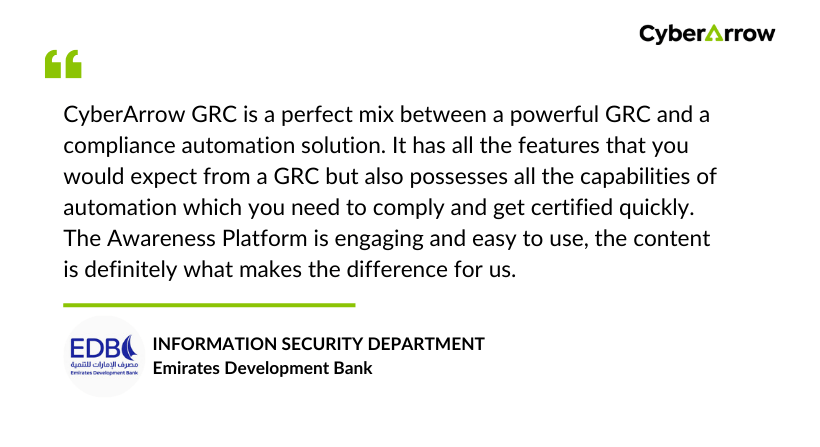
See what our clients have to say about CyberArrow GRC:
FAQs
What is regulatory change management?
Regulatory change management is the process organizations use to identify, assess, and implement regulatory updates that affect their operations, policies, and compliance obligations.
Who is responsible for regulatory change management?
Regulatory change management is handled by compliance teams in collaboration with legal, risk management, and operational departments.
How do organizations track regulatory changes?
Organizations can track regulatory changes through regulatory bulletins, government publications, industry advisories, and specialized compliance monitoring tools.
What is a regulatory change manager?
A regulatory change manager is a professional responsible for monitoring regulatory developments and ensuring that an organization responds appropriately to new or updated regulatory requirements.
What is the RCM framework?
The RCM framework usually refers to a regulatory change management framework, which provides a structured approach for tracking, assessing, and implementing regulatory updates within an organization. An RCM framework includes processes for monitoring regulatory developments and evaluating their impact on business operations.